









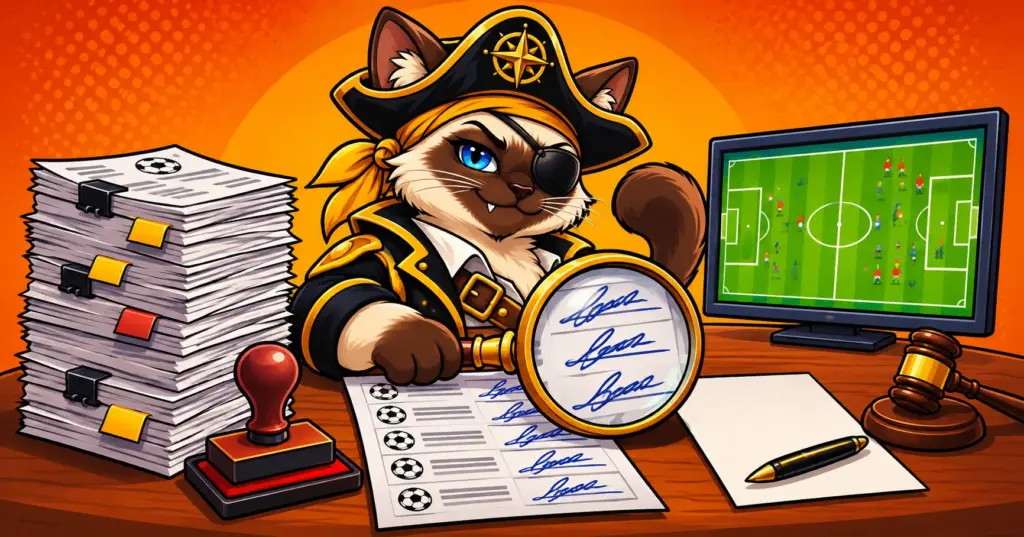
A Spanish newspaper investigation published on 5 November 2026 alleges that LaLiga’s anti-piracy unit for bars and restaurants placed the digitised signatures of three field verifiers on 1,352 inspection reports that were later filed in court cases against venues accused of showing football without a licence. The verifiers say they never supervised most of those files. LaLiga rejects the claims and says it will take legal action.
What the investigation claims
The reporting comes from El Español, which says it has documents and metadata supporting its findings. According to the paper, the reports were produced between March and May 2025 by LaLiga’s HORECA department, the team that checks whether bars, hotels and cafés are broadcasting matches through unauthorised feeds. From 13 March 2025, the reports carried a new line signed by “file supervisors”, using the same scanned signature images every time.
The newspaper’s key figures:
- 1,352 reports carried the signatures of three verifiers.
- Only 73 of those reports covered inspections that one of the three had carried out personally; the remaining 1,279 were done by colleagues.
- The files concern bars in up to 17 Spanish regions and were submitted by LaLiga’s external firms to more than 100 courts.
- In a sample of 69 inspections, 31 lasted less than the 12 minutes the internal procedure required to match a broadcast’s digital fingerprint, and three were logged at zero minutes.
- Metadata showed 30 reports generated in 34 minutes on a single morning.
The verifiers told the paper they were asked, at a meeting at LaLiga’s Madrid headquarters on 16 January 2025, to sign a blank sheet and add their ID numbers, with no clear explanation of how it would be used. El Español says the situation could amount to document forgery and procedural fraud, while stressing that any liability is for a court to decide.
LaLiga’s response and the email to Tebas
LaLiga denies wrongdoing. In a statement quoted by the newspaper, it said: “It is categorically false that LALIGA included verifiers’ signatures in court proceedings without their knowledge.” The league calls the accusations defamatory, says it has evidence for its version, and points to existing labour and criminal disputes with some of the verifiers. According to El Cierre Digital, LaLiga argues the procedure was known to staff and covered by their employment relationship.
A follow-up story on 6 November 2026 reported that one verifier emailed LaLiga president Javier Tebas on 16 September 2026 about the use of the signatures, and that an email record suggests the message was opened three days later. The verifiers wrote that they took photos and entered data during visits but did not draft the final statements or sign each version, often seeing the full report only when summoned to testify. No reply from Tebas has been reported.
It is important to note that, so far, no court has ruled that any of the reports were falsified. The allegations come from a single investigative outlet and its sources, and other Spanish media, including ADSLZone, have relayed rather than independently confirmed them.
Why it matters for the piracy fight
LaLiga runs one of the most aggressive anti-piracy programmes in Europe. Besides chasing bars, it has pushed broad IP-level blocking in Spain during matches, which has repeatedly knocked unrelated websites offline. The league said earlier this year that it had obtained more than 2,000 convictions against hospitality businesses since 2019, with hundreds more cases under investigation or awaiting trial. It is not known how many of those relied on the disputed reports.
This is not the first time the evidence behind these cases has been questioned. In July 2026 the same newspaper reported that a LaLiga supplier paid workers €100 per court appearance, and in 2025 a Barcelona court acquitted a bar owner after finding errors in the address and details of an inspection.
What it means for bar owners and viewers
- Bar owners facing LaLiga cases may want their lawyers to check who actually performed and signed the inspection report used against them, and how long the visit lasted.
- Home viewers are not directly affected by these reports, which target public venues. Blocking of pirate streams and IPTV services in Spain continues as before.
- Unlicensed streams remain risky: besides legal exposure, many are fake clones loaded with aggressive ads and malware. Our site status board tracks which well-known sites are online or gone.
What happens next
LaLiga has said it will pursue legal action over the reporting, while the verifiers’ email warned that a legal assessment would go ahead whether or not they received a reply. Defence lawyers in pending bar cases could now challenge the reliability of reports carrying the disputed signatures. Whether any court, prosecutor or sports authority opens a formal inquiry is still unconfirmed. We will update this story if there are official developments.
Sources
- El Español: La Liga falsificó la firma de tres detectives en 1.352 informes contra bares
- El Español: El correo a Tebas sobre el falseo de firmas de los detectives antipirateo de LaLiga
- ADSLZone: LaLiga bajo sospecha: pidió firmar folios en blanco
- Piracy Monitor: LaLiga reportedly forged inspector signatures on 1,352 piracy reports
- El Cierre Digital: Javier Tebas, cercado: informes bajo sospecha



 Android Apps
 Anime
 Download / DDL
 Forums & Community
 Streaming
 Torrent
 VPN